
How to Protect Your New Kitchen Surfaces from Everyday Wear and Tear
By Tina Currier | August 27, 2026
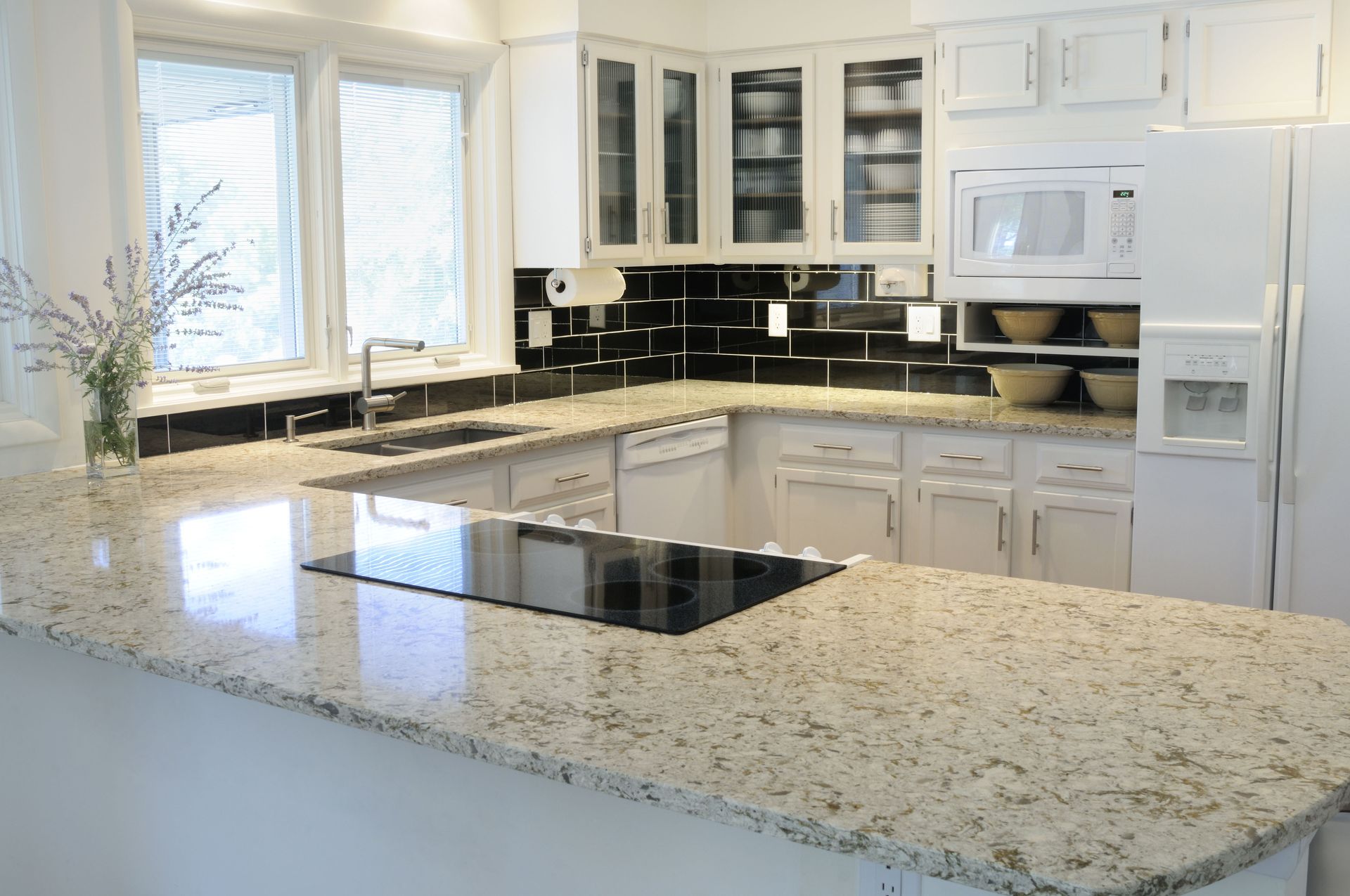
Your kitchen is the true heart of your home, bustling with daily activities, family gatherings, and exciting culinary experiments. With so much traffic, your newly upgraded spaces can easily fall victim to everyday wear and tear if not properly cared for. Whether you recently renovated your entire home or simply refreshed your cooking space, protecting this investment should always be a top priority. When you work with professionals for custom kitchen design, you rightfully expect those beautiful results to last a lifetime. Implementing simple daily habits can dramatically extend the lifespan of your surfaces, keeping them looking as pristine as the day they were installed. According to HomeAdvisor, updating your kitchen countertops is an incredibly cost-effective strategy to increase your property's value, potentially yielding a return on investment reaching 98.5%. Preserving that value requires daily diligence and care.
Understanding Your Material Types
Before you can effectively protect your workspace, you must know exactly what materials you are working with on a daily basis. Different surfaces require vastly different care routines. For instance, natural stone like granite or marble is highly porous and susceptible to staining, whereas engineered quartz from premium brands like Cambria offers incredible durability and stain resistance without the need for intense maintenance. If you opt for a warm, rustic aesthetic with butcher block surfaces, you will need to apply protective oils frequently to prevent the wood from drying out and cracking. Knowing the specific properties of your countertops is the foundational step in preventing irreversible damage. Read the manufacturer guidelines provided during installation, as they often contain tailored advice for preserving the delicate finish. If your kitchen also features beautiful custom cabinetry, make sure the cleaning agents you use on your horizontal surfaces do not drip and degrade the wood finishes below. Knowing your materials prevents accidental ruin.
Cleaning Spills and Messes
Life happens, and spills are an inevitable part of cooking in any busy household. The most crucial habit you can develop is wiping up these messes immediately. Acidic substances like lemon juice, vinegar, wine, and tomato sauce are particularly dangerous to natural stone because they can rapidly etch the surface, leaving dull spots that are impossible to simply wash away. Even on more resilient surfaces, leaving spills unattended can lead to sticky residues that attract dirt and require abrasive scrubbing later. Use a soft microfiber cloth and a mild dish soap mixed with warm water for your daily cleaning. This gentle combination is effective enough to remove grease and food particles without stripping away protective sealants or dulling the radiant shine of your beautiful countertops. Never use abrasive sponges or heavy scouring pads, as these will create microscopic scratches that harbor bacteria and dull the finish over time. A quick, gentle wipe-down is your best defense against lasting stains.
Using Protective Kitchen Accessories
One of the absolute easiest ways to safeguard your investment is by utilizing protective accessories during meal preparation. Never chop vegetables, slice bread, or carve meat directly on your surfaces. Even the hardest materials can be scratched by a sharp chef’s knife, and conversely, hard surfaces will quickly dull your expensive cutlery. Always place a dedicated cutting board down before you begin slicing. Additionally, when you are mixing ingredients or using heavy appliances like stand mixers, consider placing a protective silicone mat underneath them to prevent harsh vibrations from causing friction and tiny scratches. These simple accessories create a safe barrier between your heavy culinary activities and your pristine countertops. This is especially important near your sink and prep areas where heavy pots and pans are frequently dropped or dragged. By incorporating these small protective tools into your daily cooking routine, you drastically reduce the risk of structural damage and preserve the flawless appearance of your kitchen.
Avoiding Direct Heat Exposure
Heat damage is one of the most common yet completely preventable tragedies in a modern culinary space. While materials like granite are highly heat-resistant, sudden and extreme temperature changes can cause thermal shock, leading to deep cracks or permanent fissures. Engineered stone and solid surfaces are even more vulnerable, as the chemical resins used to bind them can melt, scorch, or discolor when exposed to hot cookware. To avoid this, always keep trivets or insulated hot pads readily available near your stove and oven. When you remove a boiling pot or a heavy roasting pan from the heat, never set it directly on your countertops. Even appliances that generate ambient heat, such as slow cookers, toaster ovens, or air fryers, should ideally be placed on a heat-resistant mat or cutting board during use. Taking these simple precautions ensures that your beautiful investment does not suffer from permanent burn marks or structural weakening caused by extreme temperature fluctuations.
Preventing Scratches and Dents
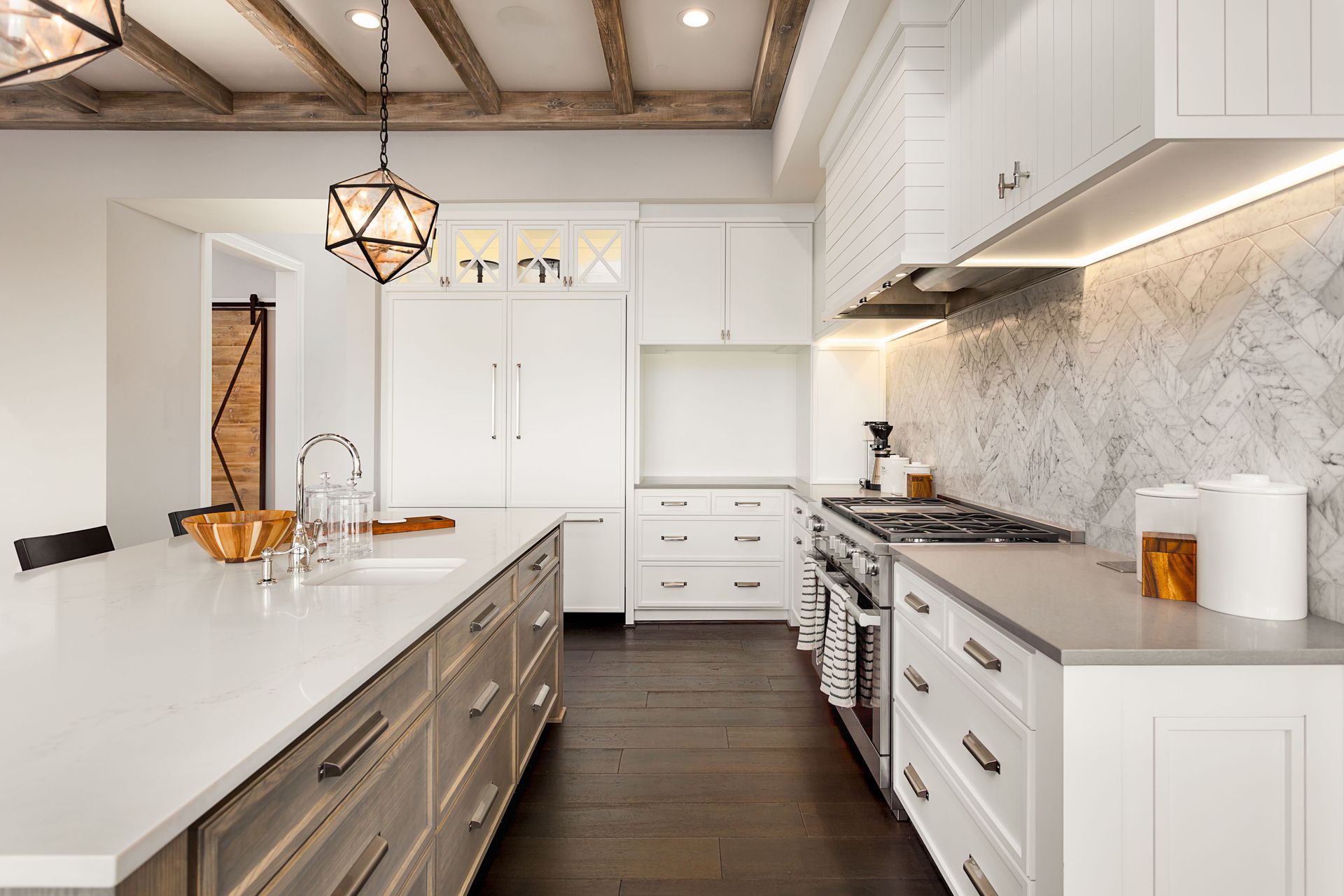
Beyond sharp knives and hot pans, everyday objects can cause subtle damage that heavily accumulates over time. Heavy grocery bags with rough bottoms, ceramic mugs with unglazed bases, and heavy metal tools can all leave faint scratches when dragged across a glossy finish. To prevent this, make it a daily habit to lift and place objects carefully rather than sliding them. If you have heavy decorative items like fruit bowls, ceramic vases, or appliances permanently sitting out, attach soft felt pads to their bases to provide a safe cushion. Furthermore, be mindful of heavy cast iron skillets or dense grocery loads; accidentally dropping them can cause severe chipping, especially around the exposed edges near your sink or island. When you undergo custom kitchen design, you carefully pick materials that beautifully elevate your home; do not let carelessness diminish their beauty. Keeping a clutter-free workspace not only looks better but also minimizes the chances of heavy or abrasive items accidentally damaging your countertops over the years.
Sealing and Routine Maintenance
While daily habits are incredibly crucial, long-term maintenance is equally important for preserving your surfaces. If you have natural stone, applying a high-quality sealant is absolutely non-negotiable. Premium sealants penetrate the microscopic pores of the stone, creating an invisible protective barrier that repels liquids and prevents stubborn stains from setting in. Depending on the material and the amount of daily use it sees, you may need to reapply this sealant every one to three years. You can easily test if your surface needs resealing by sprinkling a few drops of water on it; if the water beads up, your seal is perfectly intact, but if it quickly absorbs and darkens the stone, it is time to reseal. Even low-maintenance options require occasional deep cleaning to remove hard water deposits and soap scum. Pairing well-maintained countertops with brilliantly preserved cabinetry ensures your entire space looks highly cohesive and brand-new for decades, maximizing the enjoyment of your culinary haven.
Preserving the elegance and functionality of your kitchen requires a dedicated combination of daily mindfulness and periodic maintenance. By deeply understanding the specific needs of your materials, promptly cleaning spills, utilizing protective accessories, avoiding heat damage, preventing physical impact, and staying on top of sealing, you can effortlessly maintain a flawless environment. Whether you are dealing with premium natural stone, highly durable quartz, or gorgeous wood, treating your surfaces with respect guarantees they will reliably serve your family for generations. Furthermore, maintaining these areas properly protects your long-term financial investment and keeps your beautiful home looking incredibly modern and highly inviting for guests. High-quality materials and expert installation always deserve top-tier care. If you are looking to upgrade your home with beautiful new products, exceptional cabinetry, or superior lumber supply materials, choose the experts at Legg Lumber.





Share On: